SI Joint Fusion (iFuse INTRA X Allograft)
Minimally invasive sacroiliac (SI) joint fusion using bone allograft implants, performed in our Newburyport office.
Minimally invasive sacroiliac (SI) joint fusion using bone allograft implants, performed in our Newburyport office.
The SI joint can be a significant cause of lower back pain. Clinical publications have identified the SI joint as a pain generator in 15-30% of chronic lower back pain patients. In addition, the SI joint is a pain generator in up to 43% of patients with continued or new onset lower back pain after a lumbar fusion.
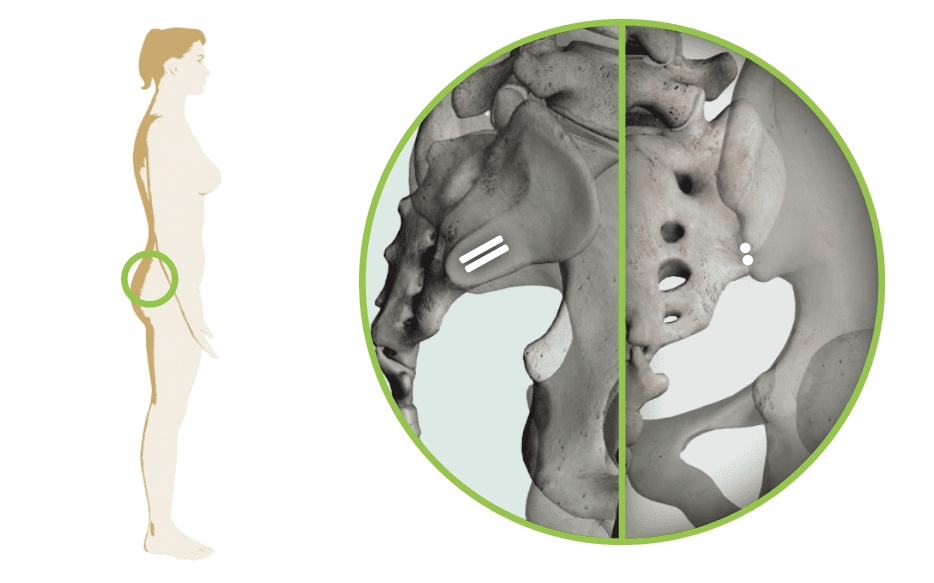
The sacroiliac (SI) joint is located in the pelvis; it links the iliac bones (pelvis) to the sacrum (lowest part of the spine above the tailbone). It is an essential component for energy transfer between the legs and the torso.
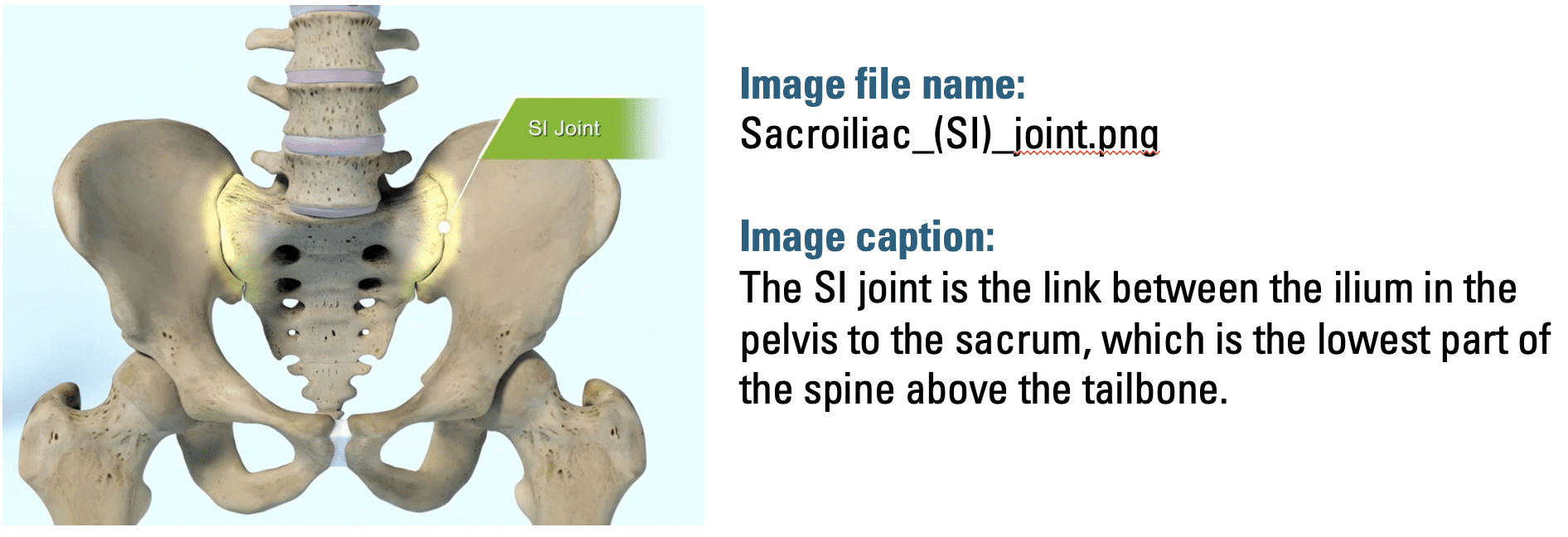
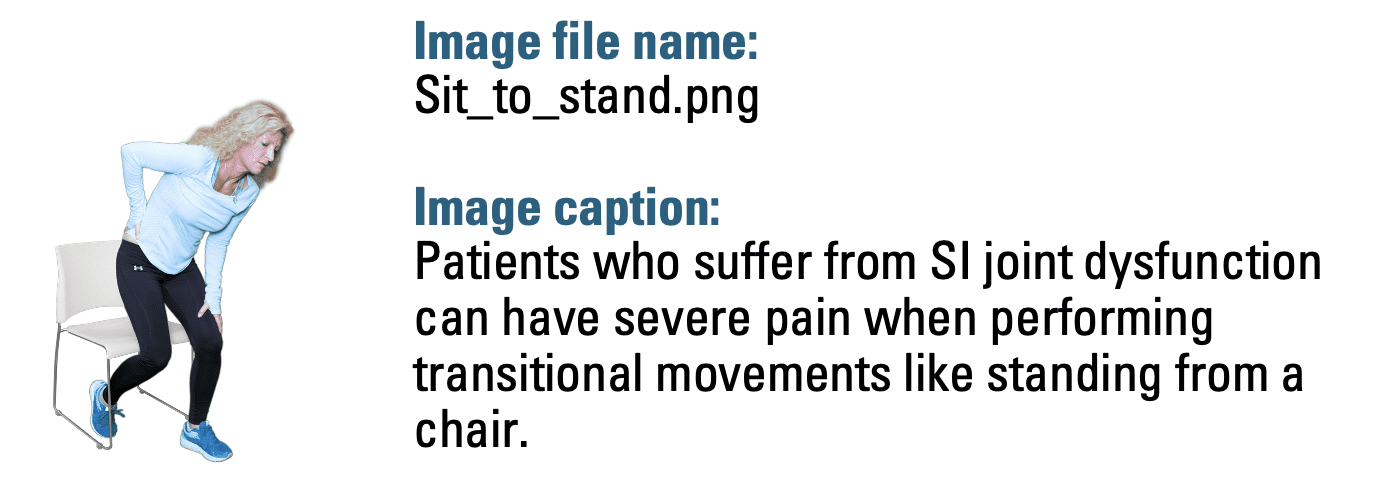
Like any other joint in the body, the SI joint can be injured and/or undergo degeneration. When this happens, people can feel pain in their buttock and sometimes in the lower back, hips, and legs. This is especially true while lifting, running, walking, or even lying on the involved side.
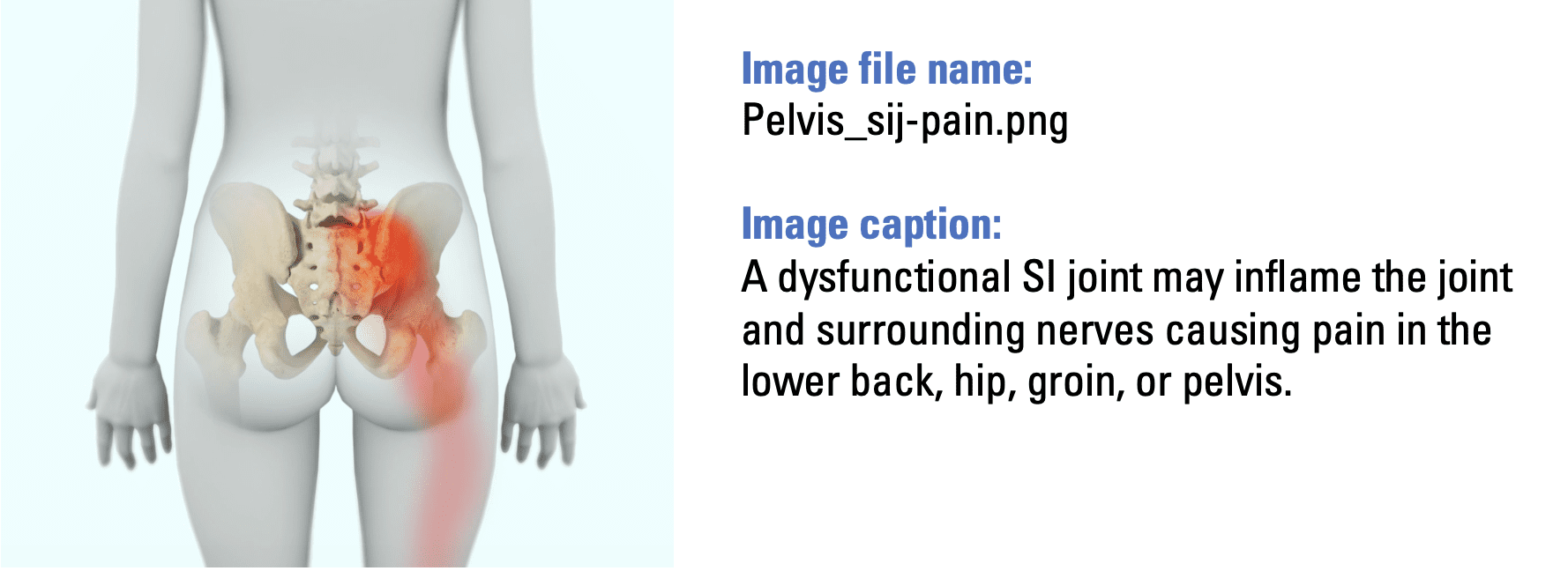
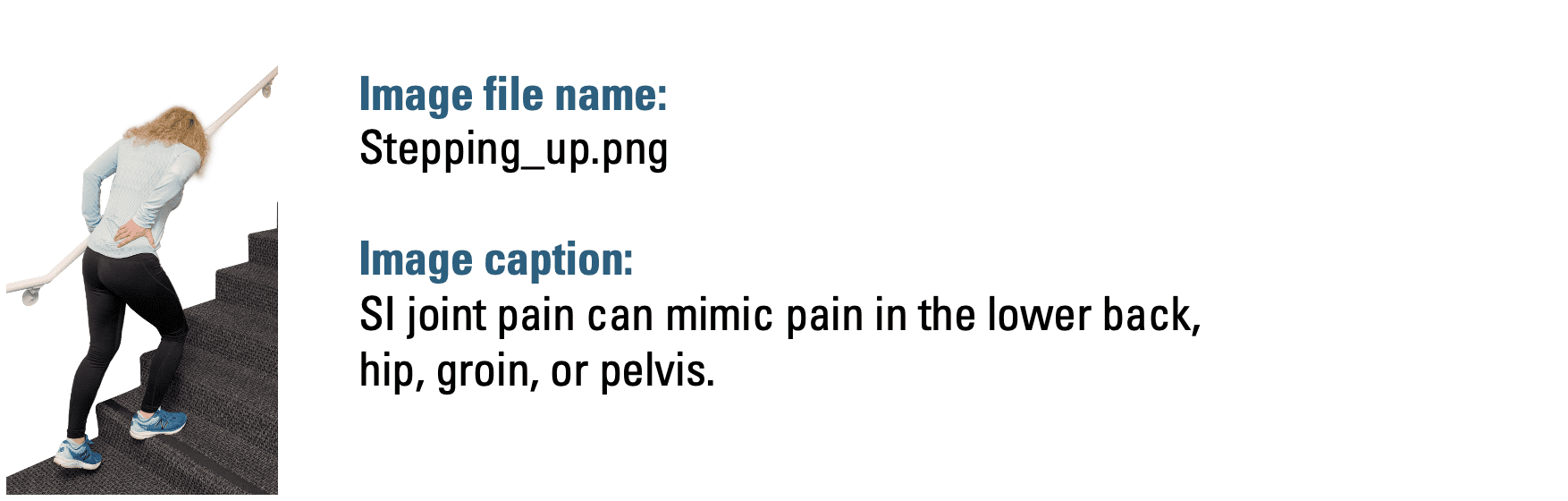
It's common for pain from the SI joint to feel like disc or lower back pain, or sometimes hip or groin pain. For this reason, SI joint disorders should always be considered in lower back, hip, and pelvic pain diagnosis.

A variety of tests performed during physical examination may help reveal the SI joint as the cause of your symptoms. Sometimes, X-rays, CT-scan or MRI may be helpful in the diagnosis of SI joint-related problems because they can rule out other common sources of pain — such as your lumbar spine or hip joints. It is also important to remember that other conditions (like a disc problem) can co-exist with SI joint disorders.
The most relied upon method to accurately determine whether the SI joint is the cause of your lower back pain symptoms is to inject the SI joint with a local anesthetic. This diagnostic injection will be performed under either X-ray or CT guidance to verify accurate placement of the needle in the SI joint. If your symptoms decrease by at least 75%, it can be concluded that the SI joint is either the source of or a major contributor to your lower back, hip, or pelvic pain. If the level of pain does not change after SI joint injection, it is less likely that the SI joint is the cause of your pain.
Once the SI joint is confirmed as the cause of your symptoms, treatment can begin. Some patients respond well to physical therapy, use of oral medications, or injection therapy. These treatments are often performed repeatedly, and frequently symptom improvement using these therapies is temporary. If non-surgical treatment options have been tried and do not provide long-term relief, your physician may consider other options, including a minimally invasive iFuse procedure.
Dr. Kenneth Branton is trained in the latest minimally invasive surgical (MIS) techniques, including use of the iFuse INTRA X Allograft Implant System from SI-BONE, a medical device company pioneering MIS sacroiliac (SI) joint treatment. iFuse INTRA X Allograft Implant System is designed for SI joint stabilization and intended to promote SI joint fusion. SI joint treatment using the iFuse INTRA X implants takes less than an hour and is performed through a small incision in the lower back. The INTRA X implants are inserted into the SI joint to stabilize it, with the aim of reducing or eliminating pain. The procedure is performed in our Newburyport office under monitored anesthesia care (MAC). As with any minimally invasive surgical procedures, there are potential risks associated with the iFuse procedures. They may not be appropriate for all patients and all patients may not benefit. For information about the risks, visit https://si-bone.com/risks.
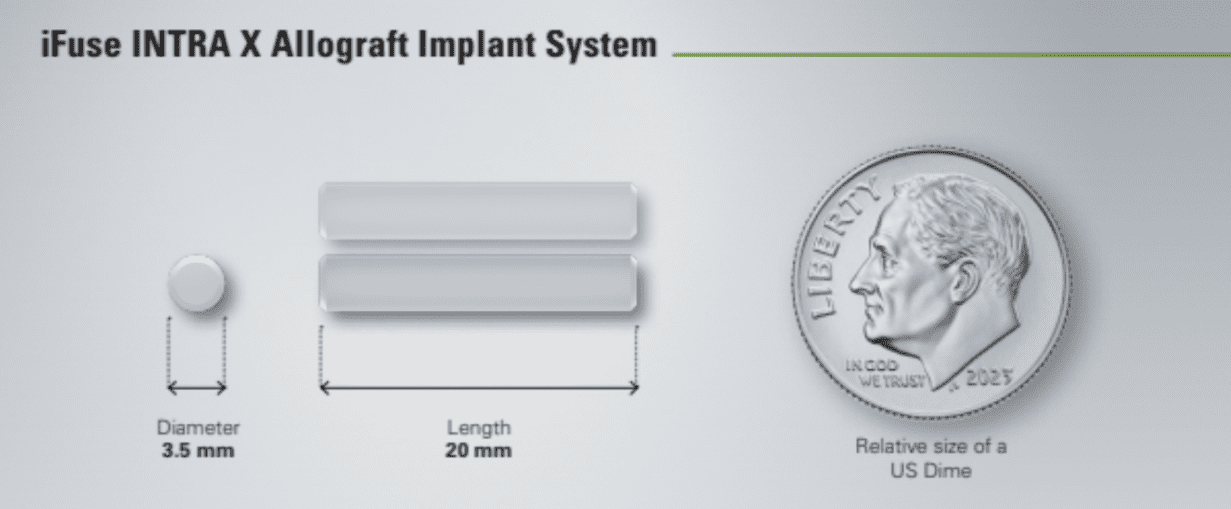
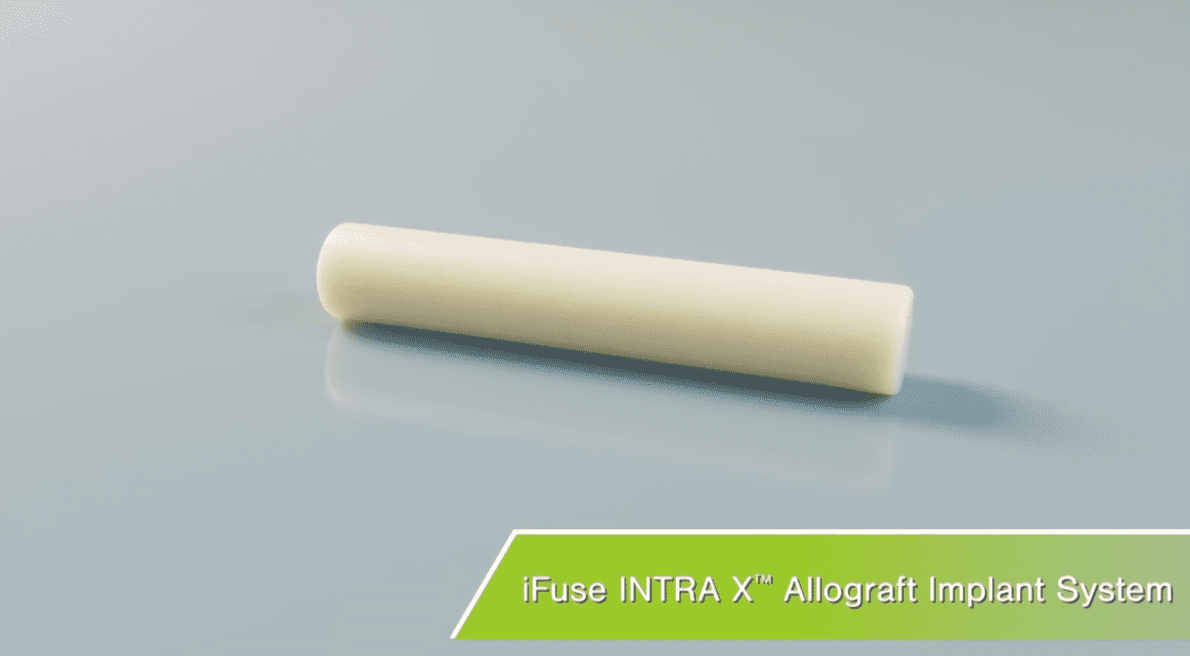
The iFuse INTRA X Allograft Instruments are indicated for placement of the iFuse INTRA X Allograft. The iFuse INTRA X Allograft is indicated for homologous use.
There are potential risks associated with the iFuse INTRA X Allograft Implant System. It may not be appropriate for all patients and all patients may not benefit. For information about the risks, visit https://si-bone.com/risks.
Coverage for SI joint fusion varies by insurance plan. Our office will verify your benefits and discuss your options, including self-pay, before scheduling.
The first step to finding out if you're a candidate for an iFuse procedure is making an appointment with an iFuse-trained physician to discuss your options.
To make an appointment, call our Newburyport office at 978-992-4580. The iFuse INTRA X procedure is performed at 21 Highland Ave, Suite 16, Newburyport, MA 01950.